
History of
Semirara Island
Semirara Island is part of the Caluya group of islands in Antique, located south of Mindoro. Known today as one of the country’s major coal-producing islands, Semirara also carries a rich story of forests, fishing communities, mining development, rehabilitation, and island life.
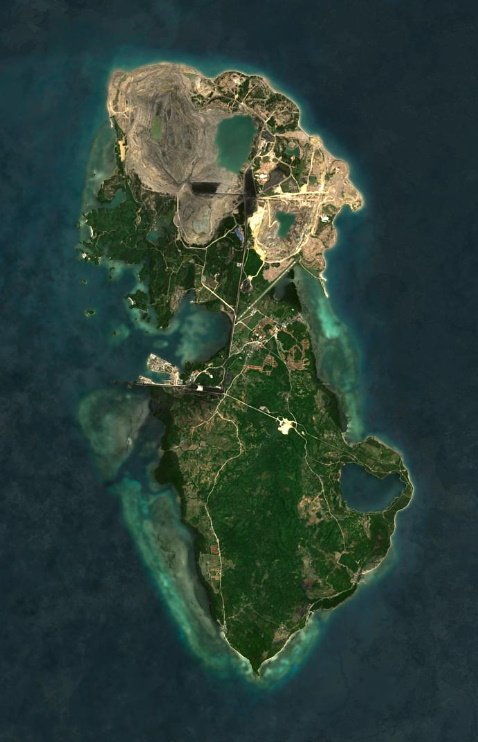
Location
Caluya Archipelago, Antique Province
Island Group
Situated south of Mindoro Island
Early Landscape
Once described as forested with Molave trees and wild grapes
Coal History
Declared a mineral reservation in 1940
Historical Timeline
A visual journey through the development of Semirara Island.
Forested Island
Early reports described Semirara as a forested island rich in hardwood, especially Molave trees, with wild grapes and abundant natural resources.
Mineral Reservation
President Manuel L. Quezon declared Semirara, Caluya, and nearby islands as part of a coal mining reservation through Proclamation No. 649.
Unong Mine Opened
Commercial coal production began at the Unong Mine, marking the start of large-scale coal operations on the island.
Panian Pit Era
Panian Pit became one of the most important coal sites in Semirara, operating until 2016 after its coal deposits were depleted.
Narra & Molave Pits
Narra and Molave pits started commercial operations as replacement mining areas after Panian’s closure.
Island Community
Semirara continues to be known for mining, fishing, farming, coastal life, marine biodiversity, mangroves, and rehabilitation areas.
More than a Mining Island
Semirara is home to the barangays of Semirara, Alegria, and Tinogbok. Aside from coal mining, local life includes fishing, farming, seashell gathering, and small community trade. The island is also noted for mangrove areas and marine resources.
- ✔ Part of Caluya, Antique
- ✔ Around 55 square kilometers in land area
- ✔ Known for coal, coastal communities, and marine life
- ✔ Includes former mine areas converted into lake/rehabilitation zones